The Appeal of Small Weddings in London
(And Why They’re Rarely About Money)
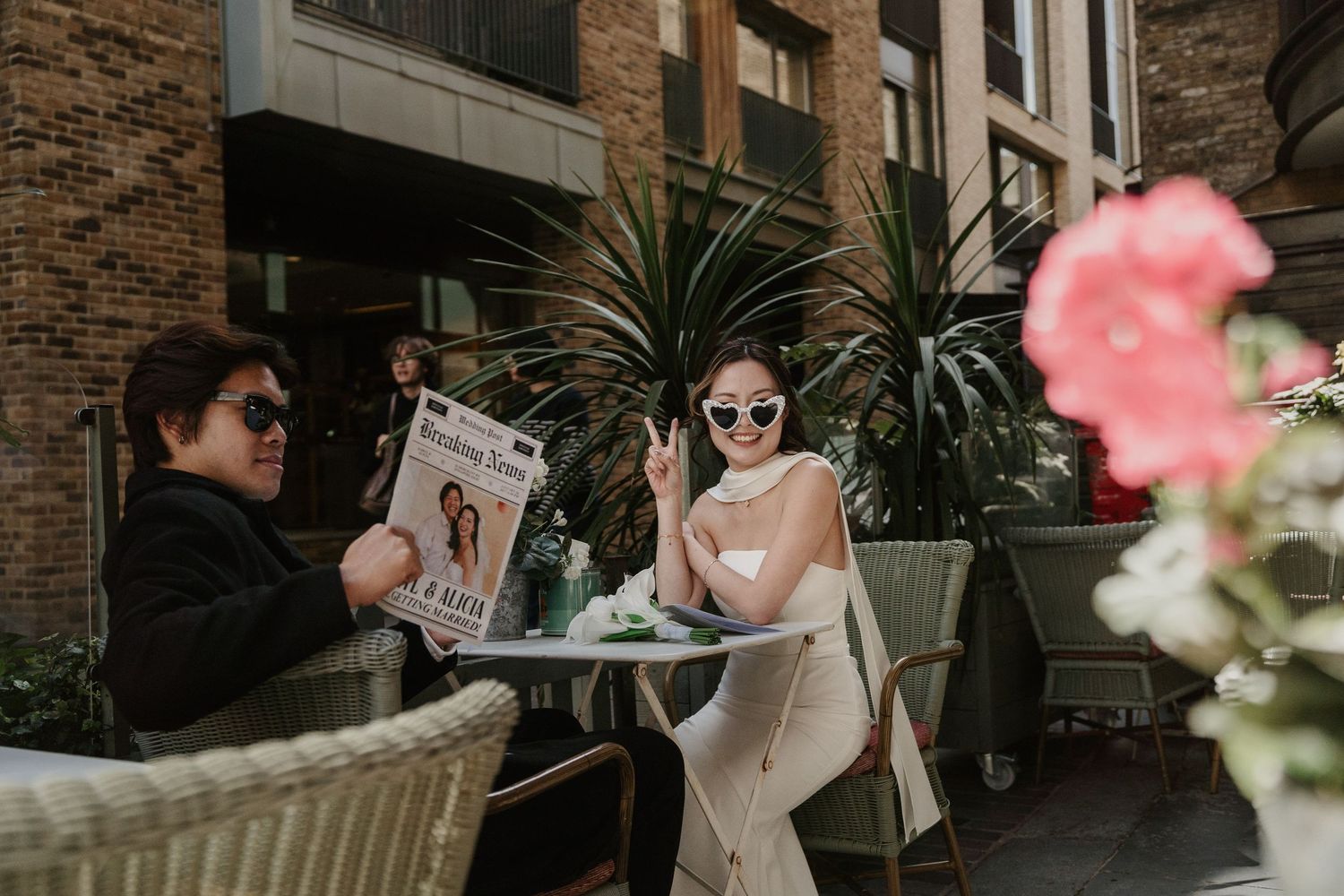
an intentional choice of a small wedding
Welcome, My name is Alina Pullen and I am a wedding photographer specialising only in small weddings and elopements in London.
I am often asked: Why did you choose to specialise in town hall weddings?.
My answer is simple: I love the feeling of peaceful joy that reigns on those who come together in an intimate ceremony. I love to observe the magical moments as they happen without the chaos or loudness of the outside world. Couples who intentionally choose small ceremonies are surrounded by a beautiful cocoon of their loved ones, who aren't just observers but also active participants. Connections shine, laughter and tears flow, and I get to witness and capture it firsthand.
After capturing over 50 small weddings in London, I would like to share the overall experiences and motives behind my couples' choice of a small intimate wedding of less than 50 guests.
Smaller weddings are often misunderstood as a compromise.
In reality, many couples choose them because they want the opposite of compromise — they want to actually experience their wedding day rather than manage it.
A smaller guest list changes the entire atmosphere of the day. Conversations last longer. People are less spread out. There is less switching between roles and more continuity in how time feels. You don’t move through your day performing for different groups; you stay within one shared space.
In London especially, smaller weddings work naturally with the city. Town halls, restaurants, private rooms, and even simple walks between locations become part of the structure rather than something to fill time between formalities.
What tends to surprise couples most is how much more they remember afterwards. Not because there is less happening, but because there is more space to actually notice it.
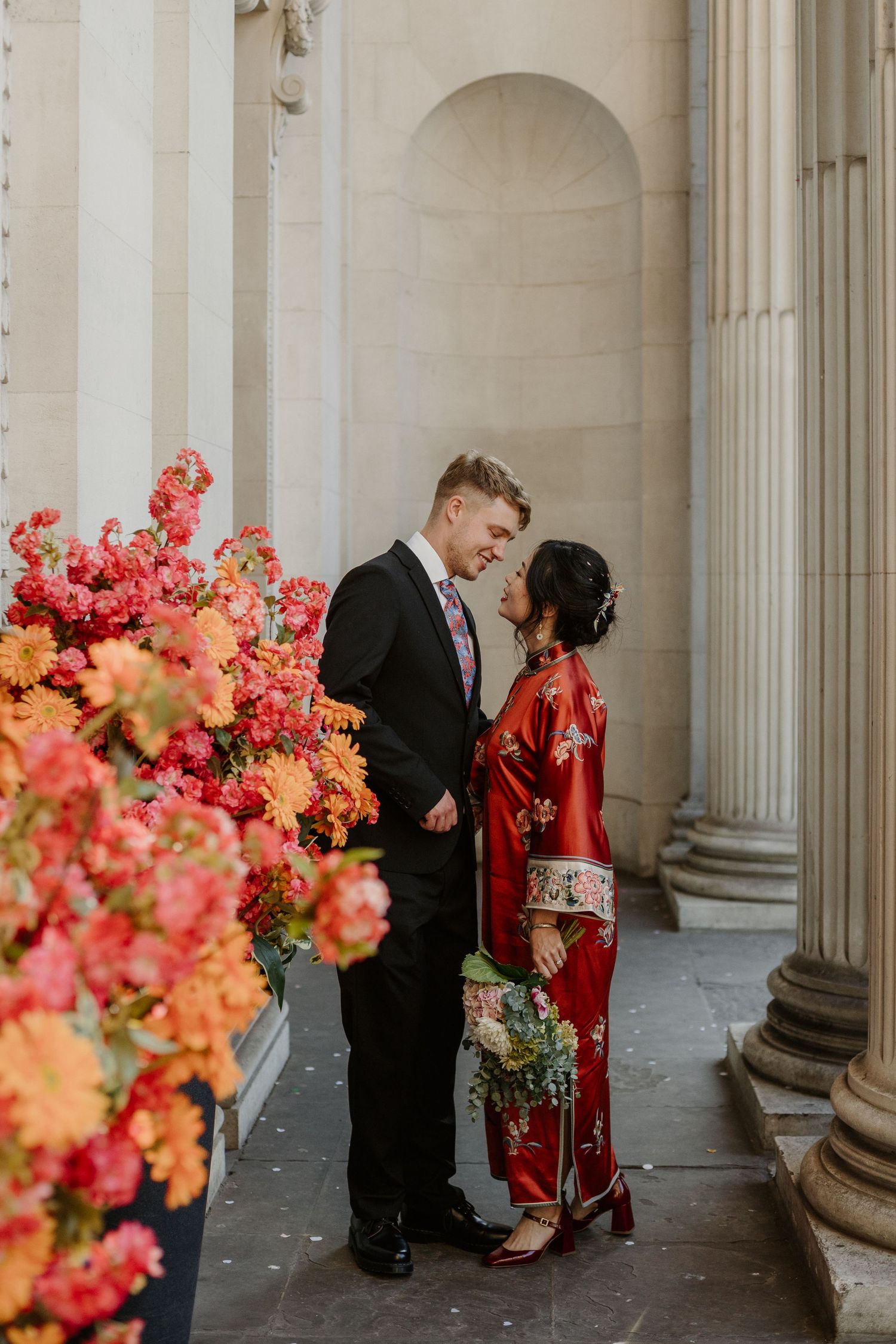
The decision to have a small wedding is rarely about scaling down. It’s usually about choosing presence over production, and connection over coordination.
And often, the budget reflects that choice too.
Smaller weddings still involve prioritising — but the priorities tend to shift. Rather than allocating most of the budget towards hosting a large number of people, couples often choose to invest more intentionally in the parts of the day that will continue to matter afterwards: meaningful locations, time together, good food, beautiful atmosphere, and photography.
Not because those things are “luxuries”, but because they reflect what the couple values. A smaller wedding can say: we care more about intimacy than spectacle, more about emotional memory than performance, more about depth than scale.
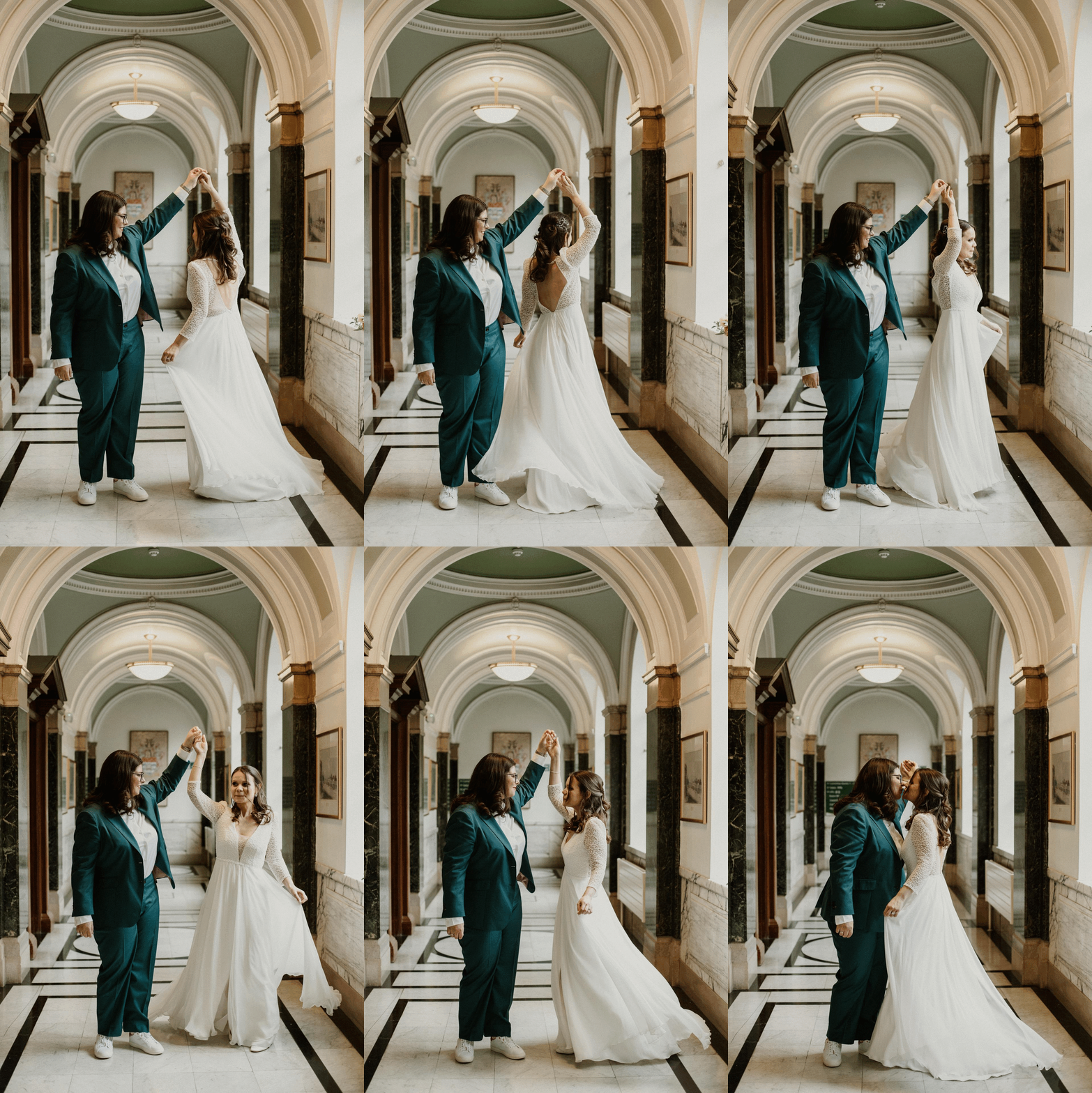
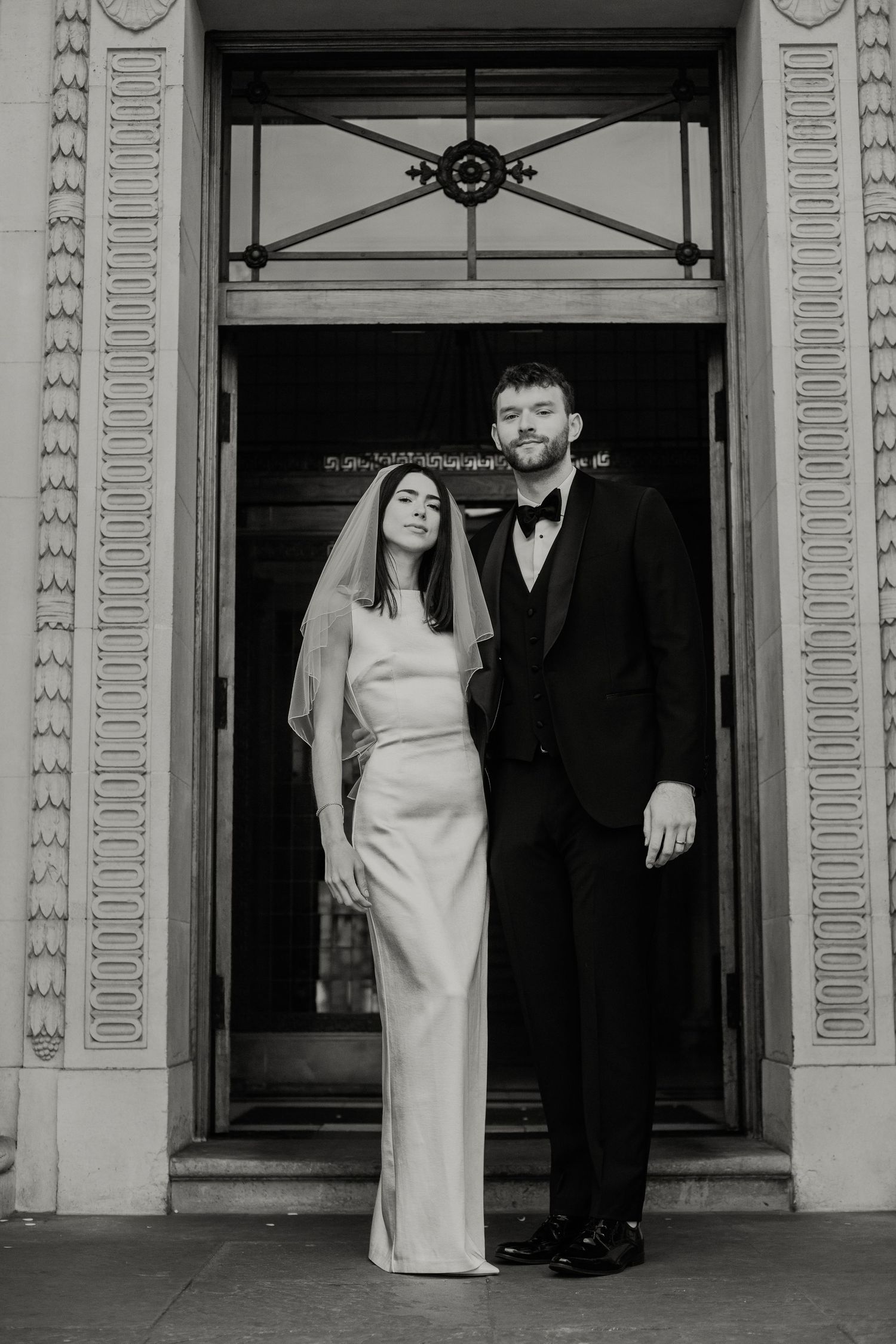
Photography becomes especially important within that kind of day.
With a smaller wedding, there are often people who won’t be there — grandparents abroad, friends in different stages of life, family members unable to travel, who will only ever know the day through photographs. For some people in your life, your photographs will be the only way they will ever see your wedding day at all.
And because smaller weddings tend to move more naturally and quietly, photography often becomes the thing that ties the entire experience together afterwards. The moments are less separated into “events” and more connected through atmosphere, movement, conversation, light, and emotion. The photographs become the thread that lets you see how the whole day actually felt as you moved through it.
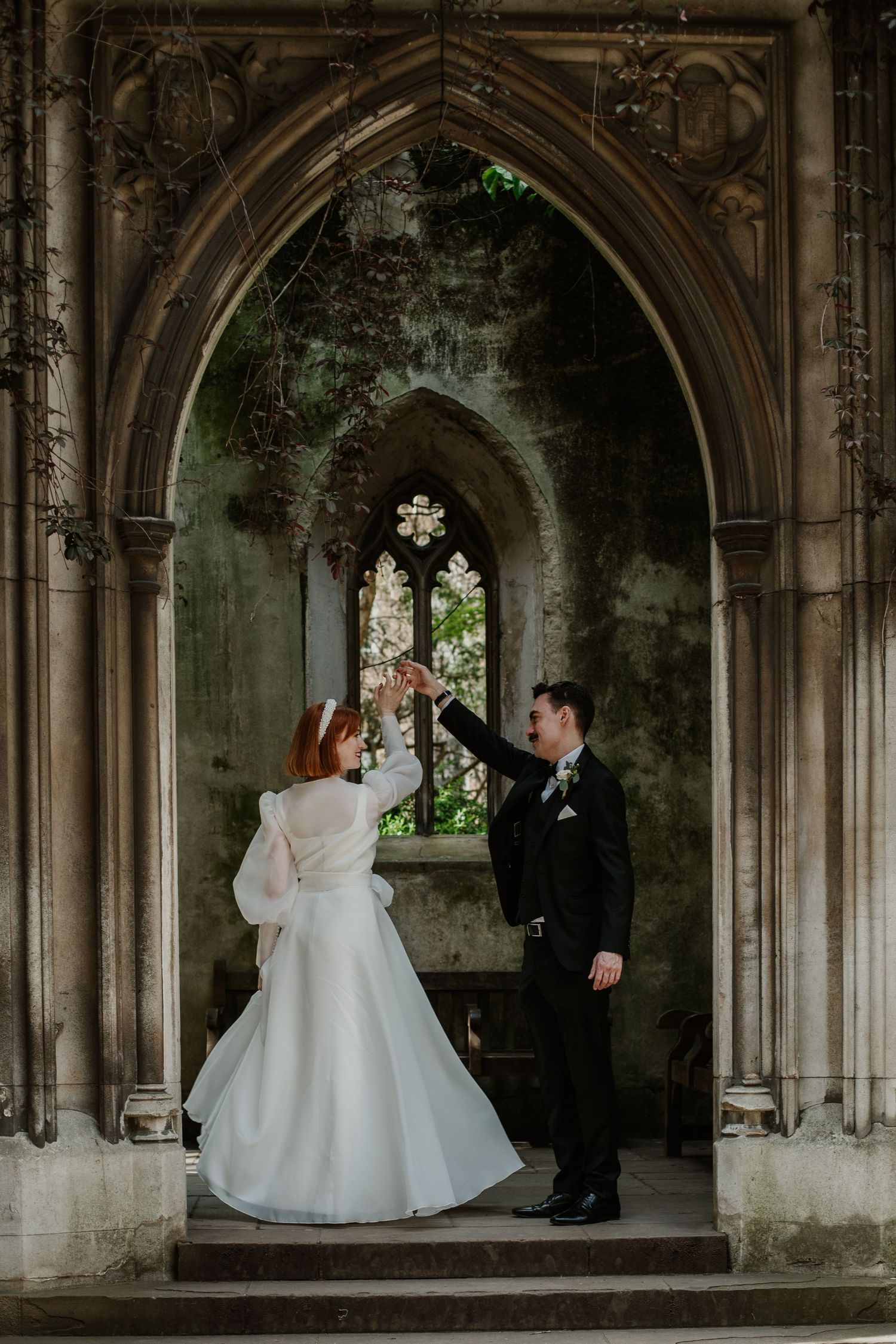
That’s also why documenting smaller weddings requires a slightly different approach. Less directing, less interruption, less turning the day into a sequence of poses. The photography has to leave space for the wedding to keep unfolding naturally while still preserving the feeling of being there.
What makes small weddings meaningful is rarely their size. It’s the intention behind them.
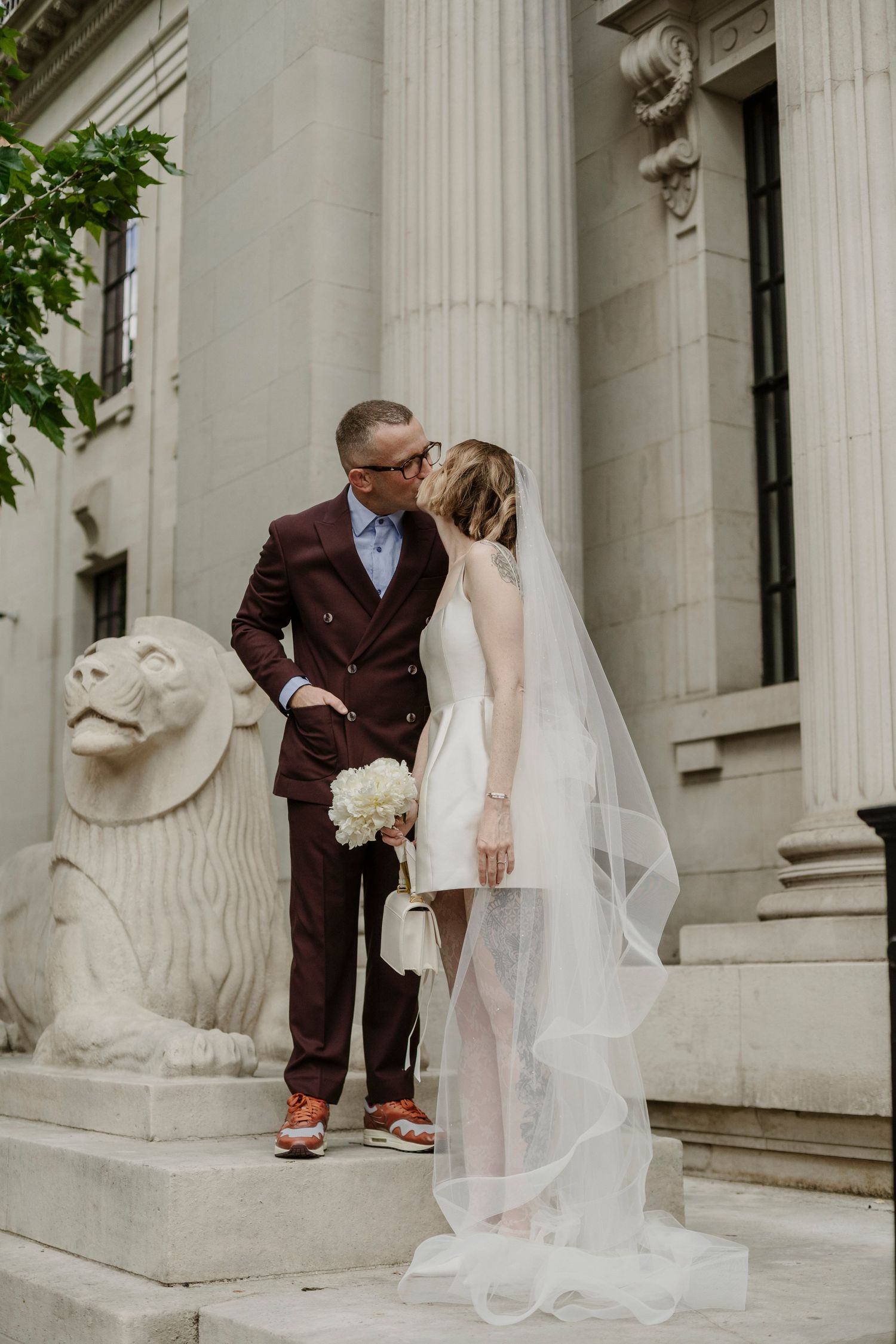
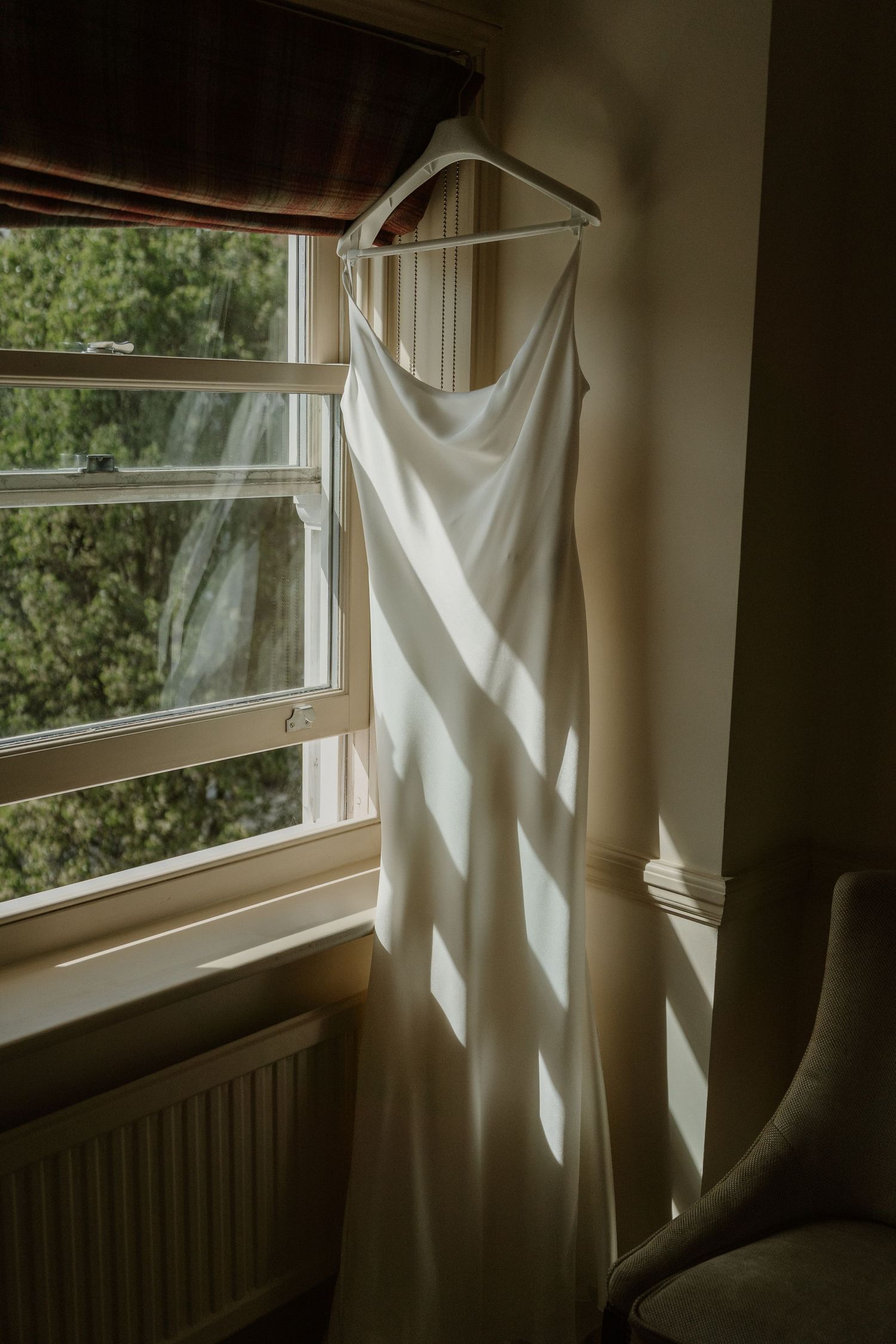
For photography, the intention matters more than anything else. A short, ceremony-only approach will document what happened, but it often misses how it felt once the structure fell away.
The shift in energy. The change in relationships. The way people behave when they are no longer being observed in a formal setting.
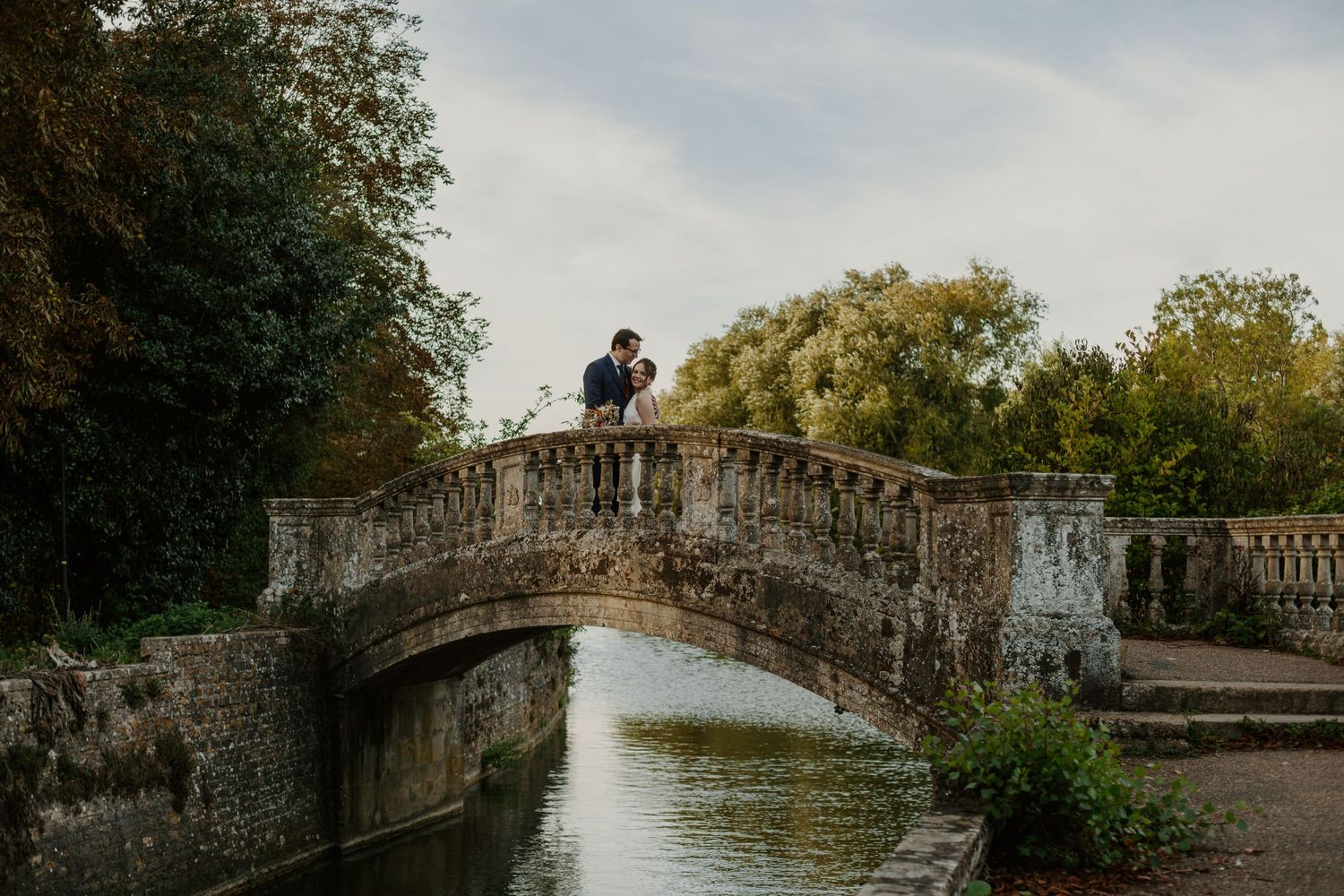
I work with couples who are drawn to this kind of experience — people who care less about performance and more about how a day actually feels as it unfolds. My approach is calm and observational, allowing space for real moments to surface rather than directing them into place. If that sounds like what you are looking for, you can see more about how I work and enquire here: https://www.alinapullenphoto.com/
I would love to help you create the vision for your day during a complimentary consultaion which you can book below: